
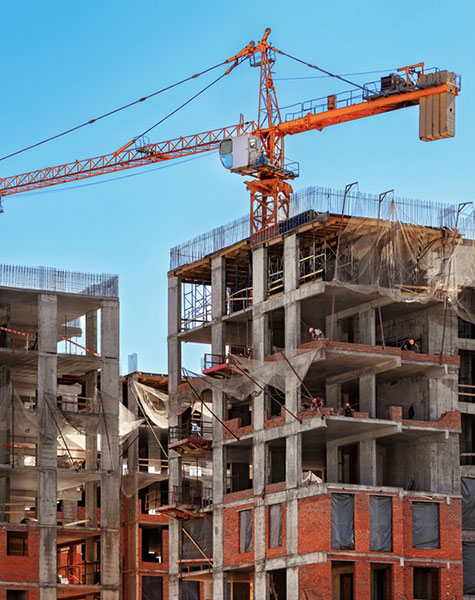
Heavyweight equipment is essential for various construction projects, serving as the backbone of the industry. These machines are designed to handle demanding tasks, providing the necessary strength and durability to complete large-scale operations. The significance of heavyweight equipment lies in its ability to move heavy materials, excavate soil, and perform other crucial functions that are vital for the successful execution of construction activities.
In any construction site, the use of heavyweight equipment, such as cranes, bulldozers, and excavators, is pivotal. These machines not only increase efficiency but also enhance safety by reducing the manual labor required for heavy lifting and transporting materials. The presence of appropriate heavyweight machinery can significantly influence the speed at which a project progresses, ensuring that deadlines are met and that quality standards are upheld.
Moreover, the choice of heavyweight equipment can vary depending on the specific needs of a project. For instance, a high-rise building requires different machinery compared to a road construction initiative. Understanding the requirements of each task allows project managers to select the right equipment, ensuring optimal performance and productivity throughout the construction process.
Overall, heavyweight equipment plays a crucial role in construction projects. It streamlines operations, contributes to the safety of workers, and helps efficiently manage the logistics of large-scale tasks. The proper use and maintenance of this equipment are vital in achieving successful construction outcomes.
